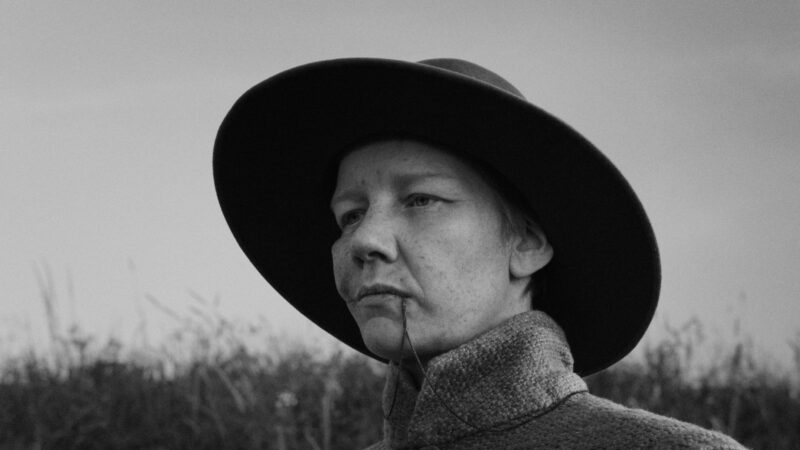
Salvation | 2026

Como se formam os inimigos? O que valida a imposição de um povo sobre outro? São abundantes os exemplos que poderiam responder a tais questionamentos. Ao longo da história, inimigos raramente nascem prontos. O ódio que divide povos costuma germinar em narrativas de pertencimento, disputas por território, recursos naturais, poder político ou afirmações identitárias: a religião, a ideia de superioridade racial, a colonização, o controle de riquezas, o nacionalismo, são todas motivações que ajudam a sedimentar antagonismos e justificar confrontos duradouros. Nesse processo, legitima-se a violência através da desumanização do outro e interesses geralmente econômicos são revestidos de batalhas morais, alimentando a ideia de que dominar ou eliminar o adversário passa a parecer inevitável.
Salvation, de Emin Alper, vencedor do Grande Prêmio do Júri da 76ª Berlinale, investiga o modo gradual pelo qual discursos de ódio se apoiam em premissas frágeis e duvidosas, assimiladas para criar a figura do inimigo como algo dissociado da condição humana, transformando-o, progressivamente, em combustível para conflitos que culminam na morte e eliminação da ameaça (ilusória) do outro. Seu estudo localiza-nos em uma região montanhosa da Turquia, onde um vilarejo remoto habitado por clãs que disputam território há tempos se torna iminente cenário de hostilidade quando Mesut (Caner Cindoruk), irmão do líder religioso local, começa a ter sonhos e visões que ele interpreta como sinais divinos.
Emin Alper avisa, logo no início do longa, que Salvation é baseado em eventos reais. Nesse breve aviso, reside uma universalidade assustadora, já que é possível enquadrar esse microcosmo em inúmeros acontecimentos históricos e contemporâneos: um exemplo bastante evidente e imediato é a disputa territorial na Palestina e o consequente genocídio praticado contra o povo palestino. Os eventos reais nos quais se fundamenta são muitos e se espalham por diferentes geografias.
Naquele pequeno vilarejo, encontramos um governo teocrático, cuja estrutura social e familiar é patriarcal. Mulheres são submissas e raramente tem voz. Quando retorna para casa, Mesut encontra a família, mulher e filhos, enfileirada, aguardando sua chegada, obedientes. Em seus delírios noturnos e alucinações, entidades invisíveis tiram a roupa de sua esposa, seu filho se torna um sonâmbulo, crianças e mulheres se revoltam, e ele monta esse quebra-cabeça da forma como foi ensinado a fazê-lo: a partir da religião. Emin Alper atribui à Salvation, a partir dos sonhos do protagonista, elementos do horror que constroem a atmosfera de paranoia e desconfiança que progressivamente cresce, e que refletem tanto o estado de espírito do personagem quanto, sob sua influência, a sensação de insegurança que passa a se espalhar pelo vilarejo. A forma como o diretor recorre ao fantasmagórico e ao onírico como motores de decisões no mundo concreto remete ao que Mati Diop realizou em Atlantique, o que conduz, aqui, a uma compreensão precisa dos efeitos da religião no contexto político.
Os rituais religiosos e reuniões políticas, diga-se, são coreografados em tamanha sincronia, que acompanhados por cantos que gradualmente se transformam em gritos e brados de guerra, quase aproximam-se de números musicais. É, ao mesmo tempo, imageticamente belo e sensorialmente perturbador assistir às tantas cabeças masculinas reunidas em convergência de movimento, como militarizadas, uniformizadas, coletivizadas num rebanho que segue, cegamente, as orientações de seu pastor. Tais inserções, além de expressarem o significado do efeito manada, revelam como a produção de um sentimento coletivo de pertencimento atua na legitimação da violência da guerra como solução.
Salvation parece nos preparar para algo que nunca chega a acontecer, embora muita coisa, de fato, aconteça – certeira tradução da tensão que escalona em direção àquilo que todos foram convencidos de ser inevitável. Emin Alper nos mostra que é fácil demonizar e desumanizar pessoas e criar inimigos, e que não há idade nem gênero que os distinga desse status. Um homem inspirado por devaneios e interesses pessoais transforma-se naquele que irá apontar quem são, em sua concepção, os terroristas e o mal a ser combatido. O discurso de ódio? Esse é prontamente assimilado. Domina pelo medo: ninguém terá paz até que o último adversário seja eliminado. E é assim que nascem massacres e genocídios.
English Version:
How are enemies formed? What validates the imposition of one people over another? There are abundant examples that could answer such questions. Throughout history, enemies are rarely born ready-made. The hatred that divides peoples usually germinates in narratives of belonging, disputes over territory, natural resources, political power, or identity claims: religion, the idea of racial superiority, colonization, control of wealth, and nationalism are all motivations that help to cement antagonisms and justify long-lasting confrontations. In this process, violence is legitimized through the dehumanization of the other, and interests that are generally economic are cloaked in moral battles, fueling the idea that dominating or eliminating the adversary begins to seem inevitable.
Salvation, by Emin Alper, winner of the Grand Jury Prize at the 76th Berlinale, investigates the gradual way in which hate speech rests on fragile and questionable premises, assimilated to create the figure of the enemy as something dissociated from the human condition, progressively transforming it into fuel for conflicts that culminate in the death and elimination of the (illusory) threat of the other. Its study places us in a mountainous region of Turkey, where a remote village inhabited by clans that have long disputed territory becomes an imminent stage of hostility when Mesut (Caner Cindoruk), brother of the local religious leader, begins to have dreams and visions that he interprets as divine signs.
Emin Alper warns, right at the beginning of the film, that Salvation is based on true events. In this brief notice lies a frightening universality, since it is possible to frame this microcosm within numerous historical and contemporary events: a rather evident and immediate example is the territorial dispute in Palestine and the consequent genocide practiced against the Palestinian people. The real events on which it is based are many and spread across different geographies.
In that small village, we find a theocratic government whose social and family structure is patriarchal. Women are submissive and rarely have a voice. When he returns home, Mesut finds his family—wife and children—lined up, awaiting his arrival, obedient. In his nocturnal delusions and hallucinations, invisible entities strip his wife of her clothes, his son becomes a sleepwalker, children and women revolt, and he assembles this puzzle in the way he was taught to do: through religion. From the protagonist’s dreams, Emin Alper attributes to Salvation elements of horror that construct the atmosphere of paranoia and distrust that progressively grows, reflecting both the character’s state of mind and, under his influence, the sense of insecurity that begins to spread throughout the village. The way the director resorts to the ghostly and the oneiric as drivers of decisions in the concrete world recalls what Mati Diop achieved in Atlantique, which leads here to a precise understanding of the effects of religion in the political context.
Religious rituals and political meetings, it should be said, are choreographed with such synchrony that, accompanied by chants that gradually turn into screams and cries of war, they almost approach musical numbers. It is, at the same time, imagetically beautiful and sensorially disturbing to watch the many male heads gathered in convergence of movement, as if militarized, uniformed, collectivized into a herd that blindly follows the guidance of its shepherd. Such insertions, besides expressing the meaning of the herd effect, reveal how the production of a collective sense of belonging operates in legitimizing the violence of war as a solution.
Salvation seems to prepare us for something that never actually happens, although much does in fact occur—a precise translation of the tension that escalates toward what everyone has been convinced is inevitable. Emin Alper shows us that it is easy to demonize and dehumanize people and create enemies, and that there is no age or gender that distinguishes them from this status. A man inspired by daydreams and personal interests becomes the one who will point out who, in his conception, are the terrorists and the evil to be fought. Hate speech? That is promptly assimilated. It rules through fear: no one will have peace until the last adversary is eliminated. And that is how massacres and genocides are born.