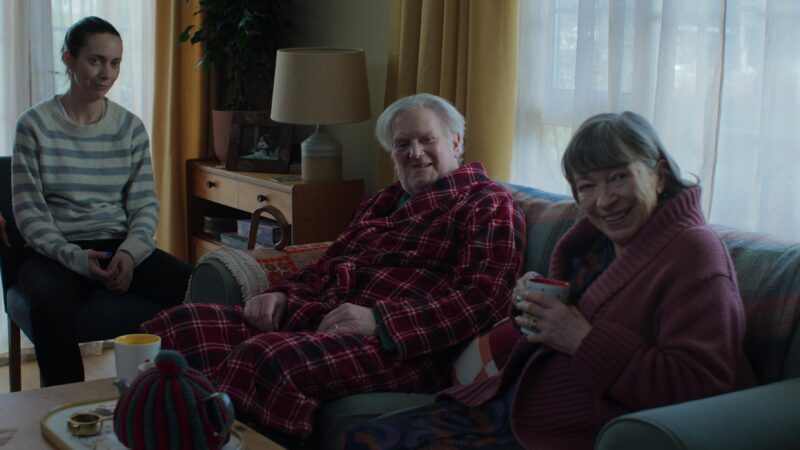
Djinn Wedding | 2026
Cobertura do TIFF (Festival de Toronto 2026), por Carol Ballan
Título Original: Cinlerin Düğünü
Direção: Ferit Karahan
Roteiro: Ferit Karahan
Elenco principal: Demet Özdemir, Kaan Yıldırım, İlhan Şen, Helin Kandemir, Sarp Bozkurt, Evliya Aykan, Tuba Ünsal, Baki Davrak
Duração: 132 minutos (2h 12min)
País: Turquia
Já com a experiência de alguns longa-metragens em sua carreira, o diretor e roteirista Ferit Karahan consegue criar uma grande imersão na cultura turca com Djinn Wedding. Contando a história de uma família ao longo de muitas décadas e colocando um elemento místico misturado ao seu realismo, ele consegue nos apresentar uma visão bastante crítica quanto ao seu próprio país.
A obra é dividida em três capítulos, Anjos, Djinns e Correntes. Na primeira parte, vemos pais e filhos se adaptando a uma nova realidade quando se mudam de casa, e passamos por uma grande elipse temporal para chegar à segunda parte, quando a filha do casal, já crescida, está se casando. Por fim, temos mais uma elipse para chegar ao capítulo final, no qual o pai já está bastante idoso e os filhos precisam lidar com o seu falecimento. São recortes específicos de períodos curtos da vida desses personagens, mas que acontecem justamente em momentos de grande relevância.
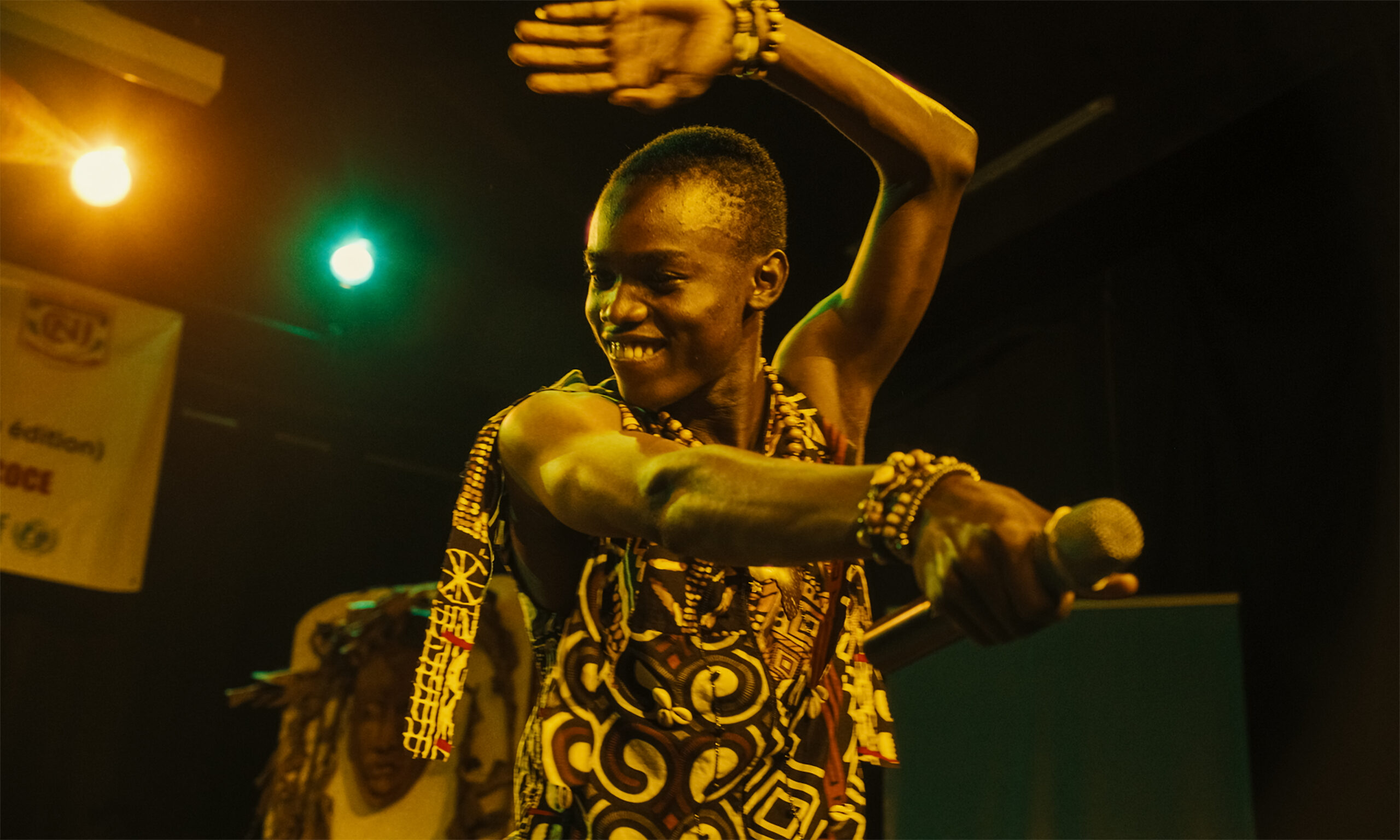
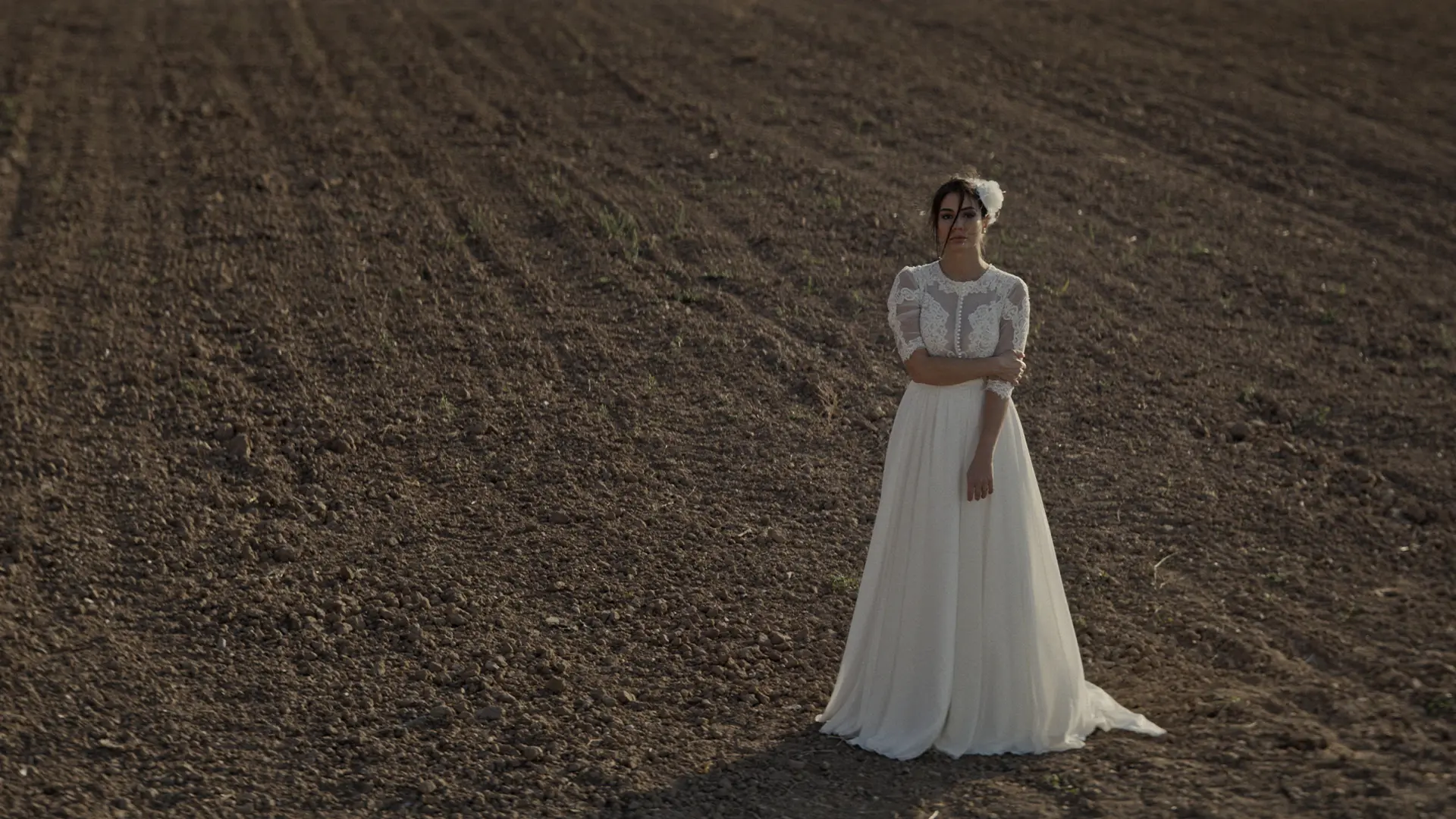
Já nas primeiras cenas percebemos uma grande preocupação técnica e plástica com a fotografia do longa. Temos cenas curtas, como a que o casal conversa e mostra ter visões completamente opostas quanto a um assunto, belamente representadas pelo simples posicionamento deles perante a câmera criando uma barreira invisível junto ao fundo dividido entre duas cores. Cada cena parece pensada com o mesmo afinco, com toda a sequência do casamento no segundo capítulo também sendo um destaque. Seria fácil que o espectador se perdesse mediante tantos personagens e acontecimentos, mas há uma escolha de manter a câmera móvel e sempre seguindo alguém. Isso nos ajuda a compreender melhor a ordem dos acontecimentos e dá a noção de movimentação típica de uma festa.
A mesma preocupação se faz presente quando nos é apresentado o elemento sobrenatural dos djinns. Ainda que eles sejam uma temática recorrente dentro dos países de influência muçulmana, seria difícil para nós, brasileiros, compreendermos alguns elementos mais sutis. Assim, o diretor faz questão de apresentar cada um deles de maneira clara e direta: a necessidade de comer terra ou pedaços da parede que inicialmente se manifesta na mãe e que depois claramente passa para a filha, os elementos como o lago e o meteoro que estão sempre em cena quando se trata do assunto. Há algumas conversas que parecem um pouco expositivas, mas que são necessárias para a compreensão internacional, e o filme faz a escolha de mantê-las para aumentar a sua visibilidade.
Então, o diretor consegue aproveitar também cada elemento de cada cena para nos aproximar da cultura do seu país, ainda que tenha uma visão bastante crítica em relação aos comportamentos de quase todos os personagens. Da necessidade da virgindade para o casamento, passando pelos pequenos mecanismos de corrupção que estão em praticamente todas as relações, ele faz questão de colocar sua crítica. Quando ele lida com as relações entre homens, em particular, ele não precisa fazer esforços para delatar o tipo de masculinidade tóxica que choca o resto do mundo, do uso de xingamentos extremamente homofóbicos até a utilização da força para resolver qualquer questão, por mais simples que ela seja.
Ainda temos uma circularidade dos fatos no terceiro capítulo que fala indiretamente sobre as dificuldades que todas as gerações têm em quebrar os ciclos trazidos pelos seus pais. A obra utiliza o elemento fantástico para isso, mas o recado sobre a realidade é bem claro: sem a reflexão e educação, sempre estaremos presos às mesmas crenças e dificuldades que assolaram as gerações que vieram antes de nós. O próprio título do capítulo, Correntes, fala tanto sobre uma corrente física literal nesse momento quanto dessas amarras transparentes.
Com uma observação perspicaz sobre a Turquia misturada a um drama familiar fantástico, o filme consegue trazer elementos suficientes para que o espectador se interesse e seja surpreendido por toda a sua narrativa. Mais um bom exemplo do cinema turco que aparece em 2026, depois de Yellow Letters (2026) vencendo a competição na Berlinale.
English Version (tradução por Renata Torres)
Djinn Wedding | 2026
Original Title: Cinlerin Düğünü
Director: Ferit Karahan
Writers: Ferit Karahan
Cast: Demet Özdemir, Kaan Yıldırım, İlhan Şen, Helin Kandemir, Sarp Bozkurt, Evliya Aykan, Tuba Ünsal, Baki Davrak
Runtime: 132 minutes (2h 12min)
With several feature films already under his belt, director and Writers Ferit Karahan succeeds in creating a deeply immersive experience of Turkish culture with Djinn Wedding. By telling the story of a family across several decades and blending mystical elements with realism, he presents a highly critical perspective on his own country.
The film is divided into three chapters: Angels, Djinns, and Chains. In the first part, we see parents and children adapting to a new reality after moving to a new house; a significant time jump then leads us to the second part, where the couple’s daughter, now an adult, is getting married. Finally, another time jump brings us to the last chapter, in which the father is quite elderly and the children must cope with his passing. These are specific snapshots of brief periods in the characters’ lives, yet they occur at moments of great significance.
From the very first scenes, one notices the meticulous technical and visual attention paid to the film’s cinematography. There are brief scenes, such as one where the couple talks and reveals opposing views on a subject, beautifully rendered simply by their positioning relative to the camera; this creates an invisible barrier against a background split into two colors. Every scene seems crafted with the same dedication, with the entire wedding sequence in the second chapter standing out as a highlight. It would be easy for the viewer to get lost amidst so many characters and events, but the choice to keep the camera mobile, constantly following someone, prevents this. This approach helps us better understand the sequence of events and conveys the sense of movement typical of a celebration.
The same concern arises when the supernatural element of the djinn is introduced. Although they are a recurring theme in Muslim-majority countries, some of the subtler nuances might be difficult for a Brazilian viewer to grasp. Consequently, the director makes a point of presenting each aspect clearly and directly: the compulsion to eat earth or chunks of the wall, manifesting first in the mother and then clearly passing to the daughter, and recurring visual motifs like the lake and the meteorite that appear whenever the subject arises. While some conversations may feel slightly expository, they are necessary for international audiences, and the film chooses to retain them to broaden its reach.
The director also manages to leverage every element of each scene to deepen our understanding of his country’s culture, even while maintaining a highly critical view of almost every character’s behavior. From the requirement of virginity for marriage to the petty corruption woven into nearly every relationship, he ensures his critique is ever-present. When addressing relationships between men, in particular, he effortlessly exposes the brand of toxic masculinity that shocks the rest of the world — from the use of extreme homophobic slurs to the use of physical force to resolve even the simplest of issues.
The third chapter introduces a cyclical nature to events, indirectly addressing the struggle every generation faces in breaking the patterns inherited from their parents. The film employs a fantastical element to convey this, yet the message regarding reality is unmistakable: without reflection and education, we remain trapped by the same beliefs and hardships that plagued the generations before us. The title itself, Chains, refers both to the literal physical chain appearing at that moment and to these invisible, binding ties.
Blending keen observations about Turkey with a fantastical family drama, the film offers enough compelling elements to captivate viewers and surprise them throughout the narrative. Another fine example of Turkish cinema emerging in 2026, following the win by Yellow Letters (Gelbe Briefe, 2026) at the Berlinale.