Unholy Night | 2026
O Natal em que os mortos voltaram para a ceia
O cinema de terror sempre encontrou no Natal um terreno fértil para subverter símbolos de união, afeto e tradição. Das investidas slasher dos anos 1980 às releituras mais recentes da data (você pode encontrar minha lista de terror natalino aqui), poucas celebrações parecem tão convidativas para a presença do macabro quanto aquela em que famílias se reúnem para reviver antigas memórias. Afinal, poucas situações expõem tantas tensões reprimidas quanto uma ceia entre parentes. Em Unholy Night, longa de estreia de Michael Gabriele, essa ideia ganha contornos literais quando o passado simplesmente se recusa a permanecer enterrado.
Escrito, dirigido e editado por Gabriele, o filme transforma a tradicional véspera de Natal de uma numerosa família ítalo-canadense em um pesadelo grotesco, combinando humor ácido, gore e horror sobrenatural.
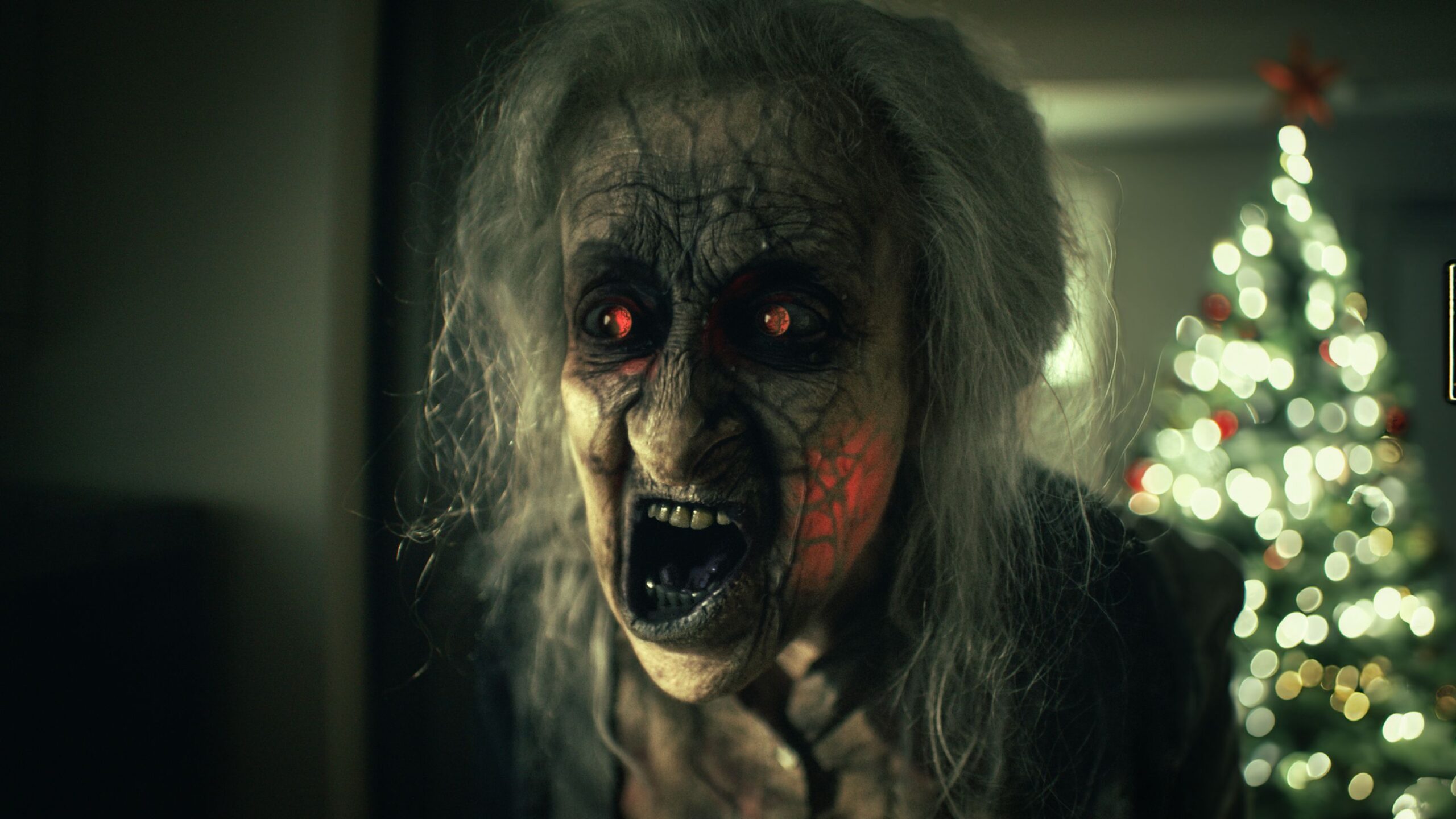
A narrativa acompanha Gino (Marc Benavid), um vendedor de tintas inseguro e constantemente diminuído pelos próprios familiares. O que já prometia ser mais um jantar repleto de críticas e constrangimentos, muda completamente quando sua avó, morta há três anos, reaparece inesperadamente à porta de casa. O reencontro dura poucos minutos antes de a matriarca iniciar uma violenta sequência de assassinatos. Logo, outros parentes falecidos também retornam, espalhando o caos por toda a vizinhança e obrigando Gino a sobreviver à própria reunião de família.
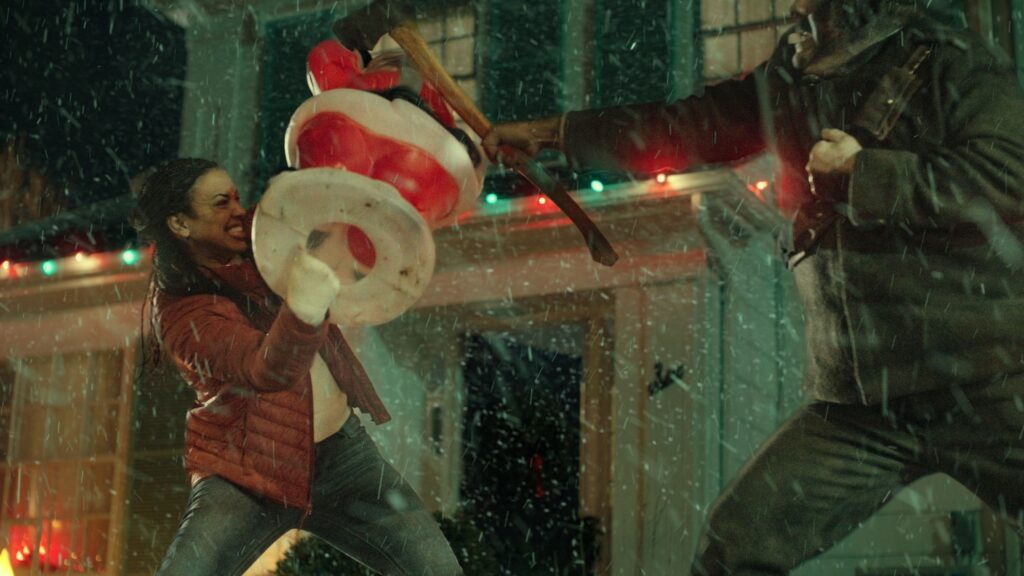
Unholy Night investe em planos longos, onde a câmera acompanha os personagens pela casa. Há momentos em que a fotografia usa ângulos de ponto de vista, deixando o longa mais interessante e divertido de assistir. Visualmente, o filme abraça o exagero. O sangue jorra em abundância, os ataques acontecem com criatividade e algumas sequências aproximam a obra do horror splatter mais cartunesco. Em determinados momentos, a violência lembra o espírito irreverente de Fome Animal (1992), de Peter Jackson, tanto pelo humor físico quanto pelo prazer evidente em transformar o grotesco em espetáculo.
Embora a premissa remeta imediatamente ao cinema de zumbis, Unholy Night evita repetir suas convenções mais conhecidas. Os mortos-vivos criados por Gabriele não são criaturas irracionais movidas apenas pelo instinto. Eles cozinham, cantam, conversam e mantêm muitos dos hábitos que possuíam em vida. Ao mesmo tempo, carregam consigo ressentimentos antigos, mágoas nunca resolvidas e um temperamento explosivo que transforma qualquer pequeno conflito em um banho de sangue. O resultado é uma criatura que parece existir em uma tradição própria, muito mais próxima de fantasmas incapazes de abandonar o passado do que dos zumbis popularizados por George A. Romero.
Essa escolha reforça o principal interesse do filme: utilizar o horror para discutir heranças e pendências familiares. Os mortos retornam porque ainda existe algo inacabado entre as gerações. Cada discussão durante a ceia funciona como um acerto de contas, onde ressentimentos, cobranças e traumas são transmitidos de pais para filhos, como uma maldição familiar impossível de interromper. O sobrenatural surge quase como uma extensão dos conflitos domésticos, transformando tensões emocionais em violência física.
Michael Gabriele também demonstra grande habilidade ao equilibrar diferentes registros tonais. Há momentos de humor genuinamente engraçados, especialmente na maneira como Gino tenta sobreviver ao desastre enquanto continua sendo tratado como o eterno fracassado da família. Seu protagonismo funciona justamente por fugir da figura tradicional do herói. Medroso, inseguro e constantemente humilhado, ele reage aos acontecimentos mais por desespero do que por coragem, tornando-se uma figura bastante simpática em meio ao caos.
Por trás da carnificina, Unholy Night encontra um núcleo emocional bastante expressivo. O relacionamento entre Gino e sua ex-namorada Rene (Shailene Garnett), que acaba envolvida no massacre, oferece ao protagonista uma oportunidade de confrontar não apenas os monstros ao seu redor, mas também sua dificuldade em demonstrar sentimentos, revisando seus comportamentos do passado. O desenvolvimento desse romance apresenta algumas soluções excessivamente sentimentais, o que sai um pouco do tom do filme, principalmente nos momentos finais, onde investe um pouco demais no drama do casal.
Mais do que uma divertida comédia de horror natalina, Unholy Night transforma a reunião de família em uma metáfora para tudo aquilo que atravessa gerações sem jamais desaparecer completamente. Explora a ideia de que problemas mal resolvidos, jamais são esquecidos completamente e que, sim, é preciso ter respeito pelos mais velhos. Entre litros de sangue, humor negro e mortos que insistem em ocupar seus lugares à mesa, Gabriele entrega uma estreia inventiva, divertida e surpreendentemente sensível, demonstrando que alguns fantasmas familiares continuam muito vivos, principalmente no Natal.
Essa crítica faz parte da cobertura do Festival Internacional de Cinema Fantasia 2026.
English review:
The Christmas Dinner Where the Dead Came Back
Horror cinema has long found Christmas to be fertile ground for twisting symbols of family, togetherness, and tradition. From the wave of slasher films in the 1980s to more recent holiday horror reinterpretations (you can find my list of Christmas horror films here), few celebrations lend themselves so naturally to the macabre as the annual family gathering, where old memories—and old wounds—inevitably resurface. After all, few occasions expose buried tensions quite like a Christmas dinner. In Unholy Night, Michael Gabriele’s feature debut, that idea becomes terrifyingly literal when the past simply refuses to stay buried.
Written, directed, and edited by Gabriele, the film transforms the Christmas Eve celebration of a large Italian-Canadian family into a grotesque nightmare, blending pitch-black comedy, supernatural horror, and generous doses of gore.
The story follows Gino (Marc Benavid), an insecure paint salesman who spends most of his life being belittled by his own relatives. What already promises to be another uncomfortable holiday dinner takes a shocking turn when his grandmother—dead for three years—unexpectedly shows up at the front door. The reunion lasts only moments before the family matriarch launches into a brutal killing spree. Soon, more deceased relatives begin returning from the dead, unleashing chaos throughout the neighborhood and forcing Gino to survive the deadliest family gathering imaginable.
Visually, Unholy Night embraces excess with enthusiasm. Gabriele frequently relies on long takes that follow the characters through the house, while occasional point-of-view shots add energy and playfulness to the proceedings. Blood flows freely, the kills are inventive, and several sequences evoke the gleefully over-the-top splatter aesthetic of Braindead (Dead Alive, 1992), capturing Peter Jackson’s delight in turning outrageous gore into pure entertainment.
Although its premise initially suggests a conventional zombie film, Unholy Night wisely avoids the genre’s familiar rules. Gabriele’s undead are far from mindless monsters driven by instinct alone. They cook, sing, hold conversations, and continue many of the routines they practiced in life. At the same time, they return burdened by unresolved grudges, old resentments, and fiery tempers that can transform the smallest disagreement into a bloodbath. These revenants feel less like Romero-style zombies than restless spirits unable to let go of unfinished business.
That approach reinforces the film’s central concern: using horror to explore family legacy and generational trauma. The dead return because something between the generations remains unresolved. Every argument around the dinner table becomes another reckoning, exposing resentments, expectations, and emotional wounds passed down like an inherited curse. Here, the supernatural functions as an extension of domestic conflict, turning emotional scars into visceral violence.
Gabriele also proves remarkably adept at balancing wildly different tones. The comedy lands naturally, particularly through Gino’s constant attempts to survive the carnage while still being treated as the family’s perpetual disappointment. He is refreshingly removed from the conventional horror hero—cowardly, insecure, and perpetually overwhelmed, reacting more out of desperation than bravery—which makes him an unexpectedly endearing protagonist amid the chaos.
Beneath the carnage lies a surprisingly heartfelt emotional core. Gino’s relationship with his ex-girlfriend, Rene (Shailene Garnett), who becomes caught up in the massacre, forces him to confront not only the monsters surrounding him but also his own emotional shortcomings and unresolved feelings. While this romantic subplot adds welcome depth, its conclusion leans a little too heavily into sentimentality, particularly in the final act, where the emotional resolution occasionally feels at odds with the film’s otherwise irreverent tone.
More than just an entertaining Christmas horror comedy, Unholy Night turns the family reunion into a metaphor for everything that survives across generations without ever fully disappearing. It suggests that unresolved conflicts never truly die—and perhaps reminds us, in its own twisted way, that we should show a little respect for our elders. Filled with gallons of blood, wicked humor, and dead relatives determined to reclaim their seats at the dinner table, Michael Gabriele delivers an inventive, wildly entertaining, and unexpectedly heartfelt debut, proving that some family ghosts are never more alive than they are at Christmas.
This review is part of our coverage of the 2026 Fantasia International Film Festival.