No Rest for the Wicked | 2026
Um romance queer, gótico e que resiste à morte
Ao longo da história do cinema, o horror gótico frequentemente encontrou no amor impossível uma de suas forças mais duradouras. Dos romances trágicos da literatura do século XIX às narrativas sobrenaturais contemporâneas, a morte raramente representa um ponto final para sentimentos que desafiam convenções sociais. Em No Rest for the Wicked, o diretor dinamarquês Kasper Kalle Skovsbøl recupera essa tradição para construir uma história em que o horror nasce menos da presença do sobrenatural do que da intolerância e do medo diante de um amor considerado proibido.
Exibido no Festival Internacional de Cinema Fantasia, o longa marca a estreia de Kalle na direção de longas-metragens e adapta um conto publicado em 1884 por Karl Heinrich Ulrichs, advogado e jurista alemão considerado um dos primeiros defensores públicos dos direitos das pessoas homossexuais. Em vez de tratar essa origem literária como simples curiosidade histórica, o filme a transforma em uma narrativa de forte carga emocional, onde romance, folclore e elementos fantásticos convivem em delicado equilíbrio.
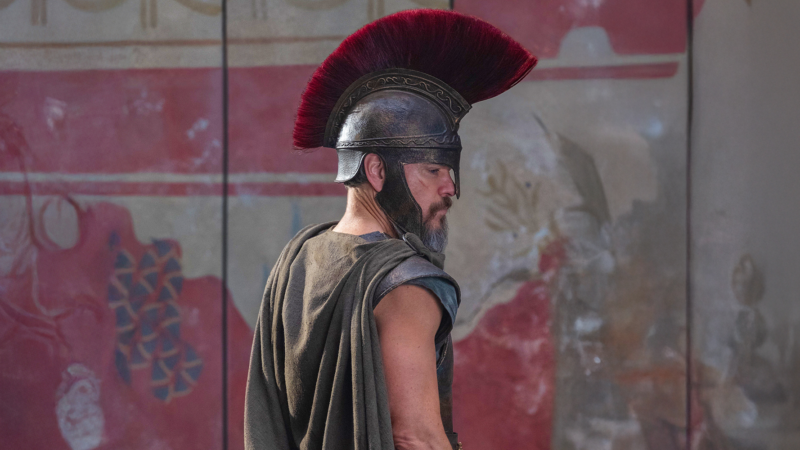
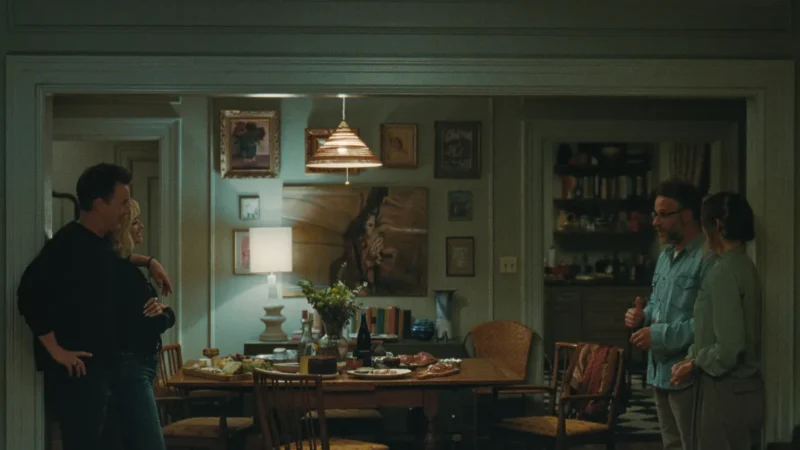
Ambientada nas isoladas Ilhas Faroe em 1862, a história acompanha Baldur (Egor Venned), um jovem pescador que vive apenas com a mãe viúva, Ásla (Sofia Nolsøe Mikkelsen), em uma comunidade rigidamente guiada pela tradição cristã. Sua rotina muda com a chegada de Helge (Pilou Asbæk), um experiente baleeiro dinamarquês que desperta nele sentimentos até então desconhecidos. À medida que a relação entre os dois se aprofunda, Baldur passa a imaginar uma vida para além dos limites daquela pequena ilha, encantando-se tanto pelas histórias que Helge traz do continente quanto pelo próprio homem que as narra. Entre trocas de olhares e conversas minimalistas, que escalonam para algo muito maior do que uma amizade, o desejo entre Baldur e Helge cresce.
A tragédia, porém, interrompe esse breve momento de felicidade. Após um naufrágio vitimar Helge, Baldur, consumido pelo luto, faz um desesperado desejo para que o amante retorne. O pedido é atendido de forma perturbadora: Helge volta da morte, transformando-se em uma figura sobrenatural cuja existência passa a ser encarada pela comunidade como uma afronta à ordem divina. A partir daí, o filme abandona parcialmente o romance histórico para incorporar elementos do horror gótico vampiresco.
No Rest for the Wicked dialoga com o romantismo de Amantes Eternos (2013), de Jim Jarmusch. Embora partam de premissas distintas, ambos utilizam figuras sobrenaturais para refletir sobre a permanência do amor diante da passagem do tempo e da morte. Enquanto Jarmusch transforma o vampirismo em metáfora para relações afetivas que sobrevivem aos séculos, Kalle faz do retorno dos mortos a materialização da recusa em aceitar que um amor interrompido possa simplesmente desaparecer. Em ambos, o horror permanece em segundo plano. O que sustenta essas histórias é a melancolia de personagens que insistem em preservar seus vínculos, mesmo quando o mundo os considera impossíveis. Há ainda uma delicadeza semelhante na forma como os diretores privilegiam silêncios, olhares e a contemplação em detrimento dos sustos convencionais, aproximando suas obras muito mais de um romance gótico do que de um filme de terror tradicional.
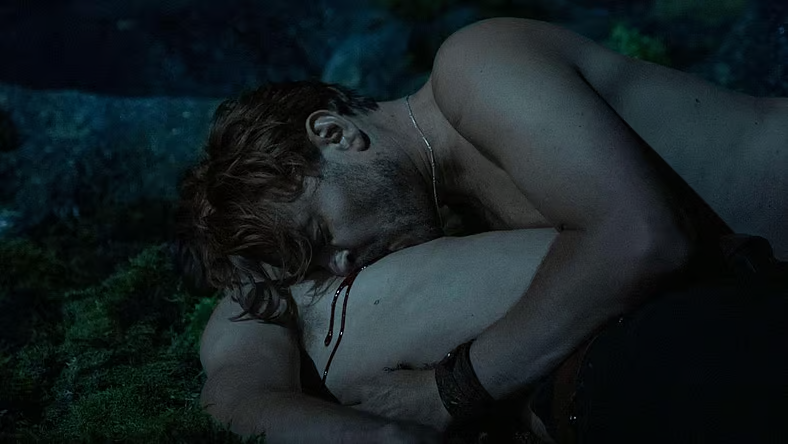
No longa, os mortos, os presságios e as manifestações fantásticas funcionam como extensões do sofrimento, da culpa e da repressão que cercam aquele relacionamento. O verdadeiro antagonista não é exatamente a criatura que retorna do túmulo, mas uma sociedade incapaz de aceitar uma forma de amor que desafia suas crenças. O diretor dinamarques sabe filmar corpos e o sexo entre os dois homens é retratado com naturalidade e intimidade.
A atmosfera desempenha papel fundamental nessa construção. As paisagens das Ilhas Faroe, registradas pela fotografia de Jacob Møller, tornam-se parte ativa da narrativa. A névoa constante, os penhascos, o oceano revolto e a vegetação austera criam uma sensação permanente de isolamento.
As interpretações de Egor Venned e Pilou Asbæk sustentam com delicadeza essa relação. A química entre ambos convence justamente pela naturalidade com que transformam pequenos gestos em demonstrações de afeto, enquanto Sofia Nolsøe Mikkelsen evita reduzir Ásla ao papel de simples antagonista. Seu medo de perder o único filho acaba se sobrepondo ao preconceito e ao conservadorismo que inicialmente definem a personagem. Aos poucos, Ásla compreende que Baldur somente encontrará paz ao lado de Helge, mesmo que isso desafie tudo aquilo em que acredita.
Visualmente elegante e emocionalmente contido, No Rest for the Wicked também dialoga com dramas queer como Brokeback Mountain (2005) e All of Us Strangers (2023), obras igualmente interessadas em personagens cujos afetos são interrompidos pela perda, pela impossibilidade e pela exclusão. O resultado é um filme que utiliza o horror como linguagem para falar sobre desejo, luto e pertencimento, construindo uma narrativa melancólica onde a verdadeira assombração não está nos mortos que retornam, mas na violência sofrida por aqueles que, mesmo em vida, jamais tiveram o direito de amar livremente.
No Rest for the Wicked foi um dos grandes destaques do Festival Internacional de Cinema Fantasia 2026, conquistando os prêmios de Melhor Direção para Kasper Kalle e Melhor Performance para Pilou Asbæk.
Essa crítica faz parte da cobertura do Festival Internacional de Cinema Fantasia 2026.
English review:
A Queer Gothic Romance That Defies Death
Throughout cinema history, Gothic horror has often found one of its most enduring themes in impossible love. From the tragic romances of 19th-century literature to contemporary supernatural tales, death has rarely served as the final chapter for feelings that defy social convention. In No Rest for the Wicked, Danish filmmaker Kasper Kalle Skovsbøl draws from that tradition to craft a story in which horror emerges less from the supernatural itself than from fear, intolerance, and the condemnation of a love deemed forbidden.
Premiering at the Fantasia International Film Festival, Kalle’s feature debut is adapted from an 1884 short story by Karl Heinrich Ulrichs, the German lawyer and legal scholar widely regarded as one of history’s earliest public advocates for gay rights. Rather than treating its literary origins as a historical curiosity, the film transforms them into a deeply emotional narrative where romance, folklore, and the supernatural coexist in remarkable harmony.
Set in the remote Faroe Islands in 1862, the story follows Baldur (Egor Venned), a young fisherman who lives with his widowed mother, Ásla (Sofia Nolsøe Mikkelsen), in a small community governed by strict Christian values. His quiet existence is forever altered by the arrival of Helge (Pilou Asbæk), a charismatic Danish whaler who awakens feelings Baldur has never experienced before. As their relationship deepens, Baldur begins imagining a life beyond the boundaries of his isolated island, captivated both by Helge’s stories of the wider world and by the man himself. Through lingering glances, restrained conversations, and growing intimacy, friendship gradually blossoms into love.
Their brief happiness is shattered when Helge is lost in a shipwreck. Devastated by grief, Baldur makes a desperate plea for his lover to return. His wish is granted in unsettling fashion: Helge rises from the dead, becoming a supernatural figure whose very existence is viewed by the village as a blasphemous violation of divine order. From that moment on, the film shifts from historical romance toward Gothic vampire horror while never losing sight of its emotional core.
No Rest for the Wicked naturally invites comparisons to Jim Jarmusch’s Only Lovers Left Alive (2013). Although the two films begin from very different premises, both use supernatural figures to explore love’s endurance in the face of death and the passage of time. Jarmusch turns vampirism into a metaphor for relationships that survive across centuries, while Kalle presents resurrection as the physical manifestation of grief refusing to accept loss. In both works, horror remains secondary. What truly drives these stories is the melancholy of lovers determined to preserve their bond despite living in worlds that regard their love as unnatural or impossible. Likewise, both filmmakers favor silence, lingering gazes, and quiet contemplation over conventional scares, bringing their films closer to Gothic romance than traditional horror.
The supernatural elements function as extensions of grief, guilt, and repression rather than simple sources of terror. The true antagonist is not the revenant who rises from the grave, but a society incapable of accepting a love that challenges its beliefs. Kalle also displays remarkable sensitivity in the way he films physical intimacy. The love scenes between Baldur and Helge feel neither provocative nor sensationalized, but deeply tender, emphasizing trust, belonging, and emotional vulnerability.
Atmosphere becomes one of the film’s greatest strengths. Jacob Møller’s cinematography transforms the Faroe Islands into an active presence within the narrative. Endless fog, towering cliffs, restless seas, and stark landscapes reinforce the characters’ isolation while giving the film an almost mythic quality.
The performances further ground the story’s emotional resonance. Egor Venned and Pilou Asbæk share a quiet yet convincing chemistry, allowing subtle gestures to convey profound affection. Sofia Nolsøe Mikkelsen brings unexpected complexity to Ásla, refusing to reduce her to a simple embodiment of prejudice. Beneath her conservative beliefs lies a mother terrified of losing her only child. As the story unfolds, she gradually comes to understand that Baldur can only find peace alongside Helge, even if accepting that truth challenges everything she has ever believed.
Visually elegant and emotionally restrained, No Rest for the Wicked also echoes queer dramas such as Brokeback Mountain (2005) and All of Us Strangers (2023), films similarly concerned with love interrupted by loss, repression, and exclusion. Ultimately, Kalle uses Gothic horror not to frighten, but to meditate on longing, mourning, and belonging. The film’s most haunting presence is not the dead who return, but the violence inflicted upon those who, even in life, were never allowed to love freely.
No Rest for the Wicked was one of the standout films at the 2026 Fantasia International Film Festival, winning Best Director for Kasper Kalle and Outstanding Performance for Pilou Asbæk.
This review is part of our coverage of the 2026 Fantasia International Film Festival.