Ah Girl | 2026
Cobertura do TIFF (Festival de Toronto 2026), por Carol Ballan
Título Original: Ah Girl
Direção: Ang Geck Geck Priscilla
Roteiro: Ang Geck Geck Priscilla
Elenco principal: Xuan Jing Ong, Sydney Wong, Carrie Wong, James Seah
Duração: 99 minutos (1h39min)
País: Singapura
Não existe dúvida de que a nostalgia dos anos 1990 está em alta em diversos campos, que vão das telas dos cinemas até os últimos desfiles nas passarelas. Ah Girl não apenas se mostra consciente dessa tendência, como consegue nos transportar para a realidade específica de Singapura durante a época, nos aproximando pelos sentimentos ao invés de afastar por conta de diferenças culturais.
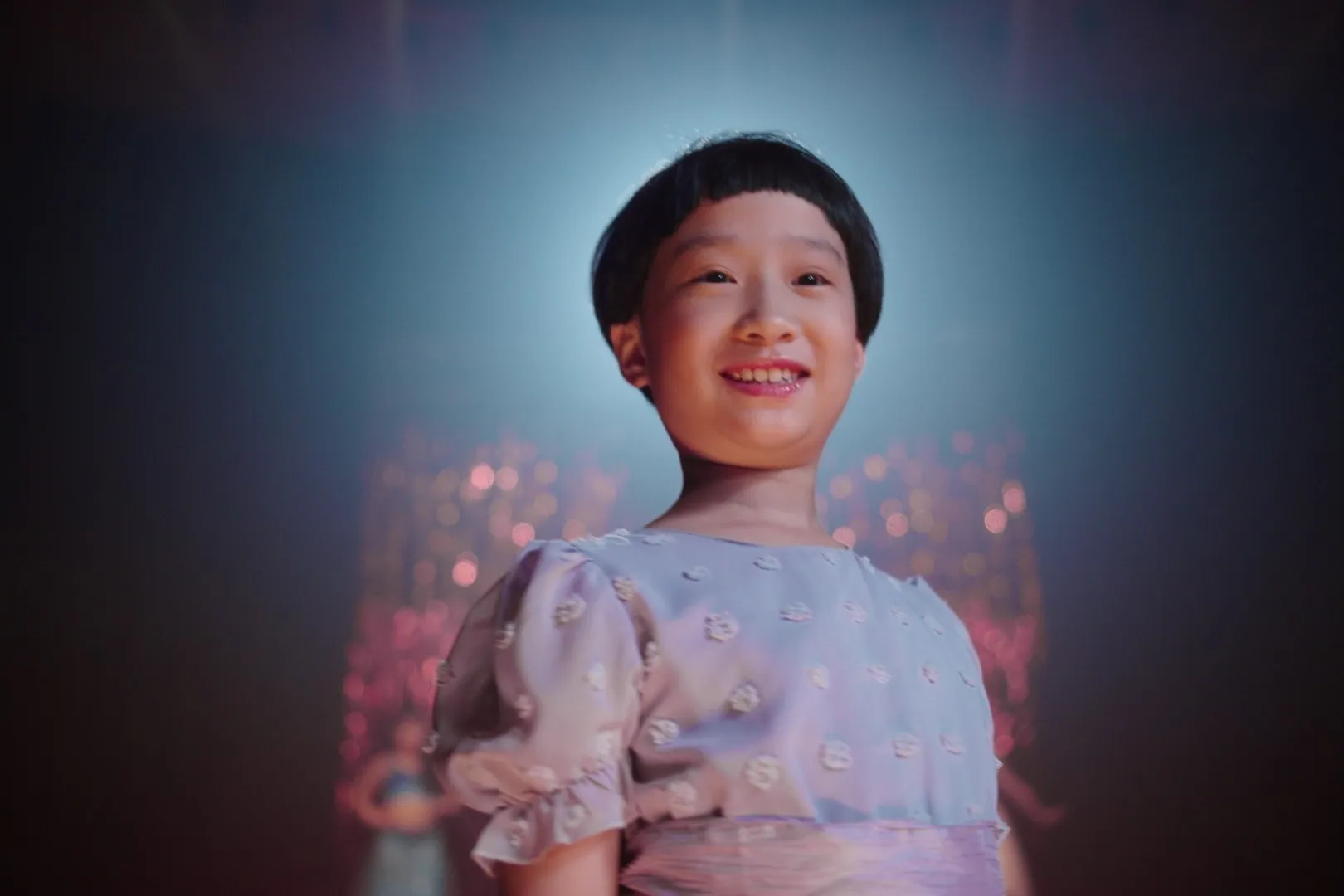
Rapidamente conhecemos e nos encantamos por Ang/Eileen (Xuan Jing Ong), uma garota de sete anos que está passando por um momento transformador de sua infância. Em um país que estava se modernizando economicamente, mas ainda passava por regimes políticos autoritários, existiu um momento de transformação profunda que percebemos em todo o desenrolar do filme. Seus pais estão passando por um divórcio complicado, e ela vive com seu pai e sua avó, enquanto a mãe tem períodos mais esporádicos com a filha e promete que vai conseguir juntar dinheiro para levá-la para morar consigo, apesar de um claro problema com álcool. Em um momento de ebulição, somos guiados pela jovem por todas as dificuldades encontradas em um filme que conta um curto pedaço de vida sob uma lupa atenta e interessada em seus personagens.
Esse é, inclusive, um dos elementos que mais faz com que o filme brilhe. Existe uma capacidade de criar personagens interessantes, cheios de gradações e nuances de forma que passamos a realmente nos importar com eles. Há uma sutileza na forma que a obra lida com isso, como, por exemplo, com o pai que apresenta comportamentos violentos, ao mesmo tempo em que é um dos poucos adultos a realmente sentar e brincar com seus filhos. A mãe, por outro lado, apresenta uma severidade no trato que é contrabalanceada pelo cuidado financeiro e até estético para que nada falte às filhas. Esses detalhes vão criando a humanidade e fazendo com que eles transponham as telas, algo que faz com que o filme, extremamente focado nessas relações humanas, ganhe profundidade. Se soma a isso um excelente trabalho da direção com os atores, principalmente no que diz respeito
às atrizes mirins. Suas personagens passam por situações extremamente delicadas na narrativa, e seria muito fácil que o filme extrapolasse a barreira e se tornasse melodramático demais. É construído um equilíbrio delicado que se mantém até o fim, o que é essencial para narrativas que lidam com uma infância traumática.
Essa sensação é potencializada pela fotografia do filme, que tem algumas escolhas de forma mais ousadas e que ajudam a criar um visual específico pelo qual a obra é rapidamente conhecida. Um dos primeiros elementos que chamam atenção é a proporção de exibição em 4:3, um formato mais quadrado que remete bastante às televisões dos anos 1990. Existe ali uma nostalgia intrínseca, somada a elementos como os sapatos de salto para crianças e notícias chegando para as personagens através de telefones fixos. Escolhe-se também utilizar cores mais saturadas, gerando a sensação de energia de um verão e destacando elementos para o público, como as personagens que costumam usar roupas de cores específicas ou os momentos em que Ah tenta combinar sua paleta de cores à da mãe, com o uso do vermelho vibrante em seu próprio visual.
É com esse cuidado que a obra vai se desenrolando e encantando, principalmente ao considerarmos todo o seu eixo de força na relação entre as duas irmãs e seu apoio mútuo para a sobrevivência nesse ambiente que não é adequado à infância. Mesmo que ele deixe claro quais são os desconfortos, o julgamento dos personagens que vemos em tela está muito relacionado à visão de Ah, mudando, por exemplo, quando ela mesma tem uma nova percepção sobre alguém ou alguma coisa.
Isso combina muito bem com a escolha da diretora em gravar a maior parte das cenas de um ângulo um pouco mais baixo do que estamos acostumados a ver, com o foco naqueles espaços que são acessíveis ao olhar de uma criança. Ainda assim, há a oportunidade de mostrar detalhes, como a cidade que está se transformando ao fundo, com a profundidade de campo nas cenas de deslocamentos urbanos. Vemos a cidade mudar junto com a garota, e seguimos como se ambas estivessem caminhando juntas para a adolescência.
Utilizando elementos muito específicos na narrativa, como a famosa proibição de chicletes no país e a relação das gerações mais velhas com o Japão no período de maior abertura, ele sabe como fazer isso de forma a falar sobre relações humanas através desses elementos, e não o contrário. Assim, a neutralidade perante o filme seria bastante inesperada – os extremos polarizantes parecem muito mais adequados. Estando no extremo positivo, parece ser mais um pequeno caminhar das obras políticas, mas que o faz através da sutileza.
English Version (tradução por Renata Torres)
Original Title: Ah Girl
Director: Ang Geck Geck Priscilla
Writers: Ang Geck Geck Priscilla
Cast: Xuan Jing Ong, Sydney Wong, Carrie Wong, James Seah
Runtime: 99 minutes (1h 39m)
There is no doubt that 1990s nostalgia is on the rise across various areas, from movie screens to the latest fashion runways. Ah Girl is not only aware of this trend but also succeeds in transporting us to the specific reality of Singapore during that era, drawing us closer through shared emotions rather than distancing us due to cultural differences.
We quickly meet and grow fond of Ah Girl (Xuan Jing Ong), a seven-year-old girl navigating a transformative period of her childhood. Set in a country that was modernizing economically yet still living under authoritarian political regimes, the film captures a moment of profound transformation that unfolds throughout the story. Her parents are going through a messy divorce; she lives with her father and grandmother, while her mother, who struggles with an alcohol problem, sees her only sporadically, promising to save enough money to bring her daughter to live with her. Amidst this turbulent backdrop, the young protagonist guides us through the hardships she faces in a film that examines a brief slice of life with a keen, empathetic eye for its characters.
This is, in fact, one of the elements that makes the film shine. There is a remarkable ability to create interesting characters, full of depth and nuance, so that we truly come to care about them. The film handles this with subtlety; for instance, the father displays violent behavior yet is one of the few adults who actually sits down to play with his children. The mother, meanwhile, displays a certain harshness in her manner, yet this is counterbalanced by the care she takes, financially and even aesthetically, to ensure her daughters want for nothing. These details build a sense of humanity and allow the characters to transcend the screen, adding depth to a film so intensely focused on human relationships. This is complemented by excellent direction of the cast, particularly the child actresses. Their characters face extremely delicate situations within the narrative, and it would have been easy for the film to cross the line into excessive melodrama. Instead, it strikes a delicate balance, maintained right to the end, that is essential for stories dealing with childhood trauma.
This feeling is heightened by the cinematography, which employs bold stylistic choices to create a distinctive visual identity. One of the first things to catch the eye is the 4:3 aspect ratio, a boxier format strongly reminiscent of 1990s television. There is an inherent nostalgia here, reinforced by details like high-heeled shoes for children and news reaching the characters via landline phones. The film also opts for highly saturated colors, evoking the energy of summer and highlighting specific elements for the audience, such as the characters’ color-coded outfits or moments when Ah Girl attempts to match her mother’s color palette by incorporating vibrant red accents into her own look.
It is with this level of care that the film unfolds and captivates, especially given that its emotional core lies in the bond between the two sisters and their mutual support as they survive in an environment ill-suited for childhood. While the film makes the sources of discomfort clear, our judgment of the characters on screen is largely filtered through Ah Girl’s perspective; our view shifts, for instance, whenever she gains a new understanding of a person or situation.
This approach pairs perfectly with the director’s decision to shoot most scenes from a slightly lower angle than usual, focusing on the spaces within a child’s field of vision. Even so, there is an opportunity to showcase details, such as the transforming city in the background, by utilizing depth of field during scenes of urban movement. We witness the city changing alongside the girl, following along as if both were walking together into adolescence.
By incorporating very specific narrative elements, such as the country’s famous ban on chewing gum and the older generation’s relationship with Japan during a period of increased openness, the filmmaker manages to explore human relationships through these details, rather than the other way around. Consequently, a neutral reaction to the film would be quite unexpected; polarizing extremes seem far more appropriate. Leaning toward the positive extreme, the work feels like a step in the direction of deeply political cinema, yet one that achieves its impact through subtlety.