Where the Silence is Heard | 2026
Um resgate necessário
Manter viva a memória de períodos ditatoriais não é apenas um dever histórico, é uma forma de resistência contra a repetição da barbárie. No entanto, como diz a música, “é preciso estar sempre atento e forte”: volta e meia discursos fascistas contaminam a sociedade. Nesse sentido, o Cinema se reafirma como ferramenta de resistência. O Agente Secreto (2025), de Kleber Mendonça Filho, é a prova mais recente disso, recorrendo, inclusive, à metalinguagem para refletir sobre a importância do registro em tempos de apagamento histórico. Where the Silence is Heard tem uma pretensão parecida, quando a co-diretora, Gabriela Pena, ao lado de Picho García, filma sua própria trajetória rumo ao passado de sua família afetada pela ditadura de Augusto Pinochet no Chile nos anos 70.
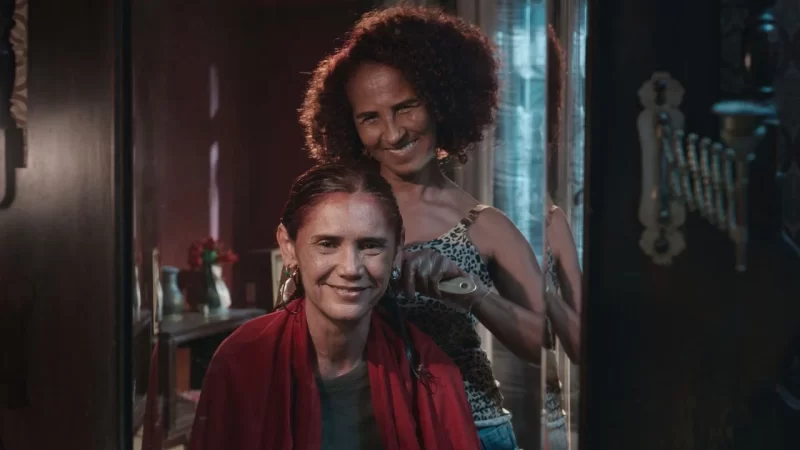
Pena vivia na Espanha com a mãe, Marlen, mas acaba de se mudar para o Chile, onde agora mora com seus avós, Sergio e Andrea Tapia. O que a fez deixar a mãe na Europa foi a oportunidade de compreender os motivos da relação fria entre elas, que remete às mazelas deixadas pela violência do autoritarismo. Sergio era professor e membro do partido comunista, foi perseguido e preso pela polícia, ficando Andrea sozinha com a filha pequena durante meses. Quando é solto, na primeira oportunidade todos escapam do país. Com a queda do regime, os avós decidem voltar à terra natal, deixando Marlen em Barcelona, onde criaria Gabriela.
É nesse deslocamento geográfico e afetivo que Where the Silence is Heard encontra sua força. É um distanciamento necessário para possibilitar uma reconexão entre mãe e filha. A relação afetuosa de Gabriela com os avós contrasta com as videochamadas que faz com Marlen, nas quais tenta acessar um passado constantemente bloqueado, como se ela tivesse construído ali uma sólida barreira ao longo dos anos. É o silêncio que busca ser ouvido, um delicado exercício de empatia na superação do ressentimento.
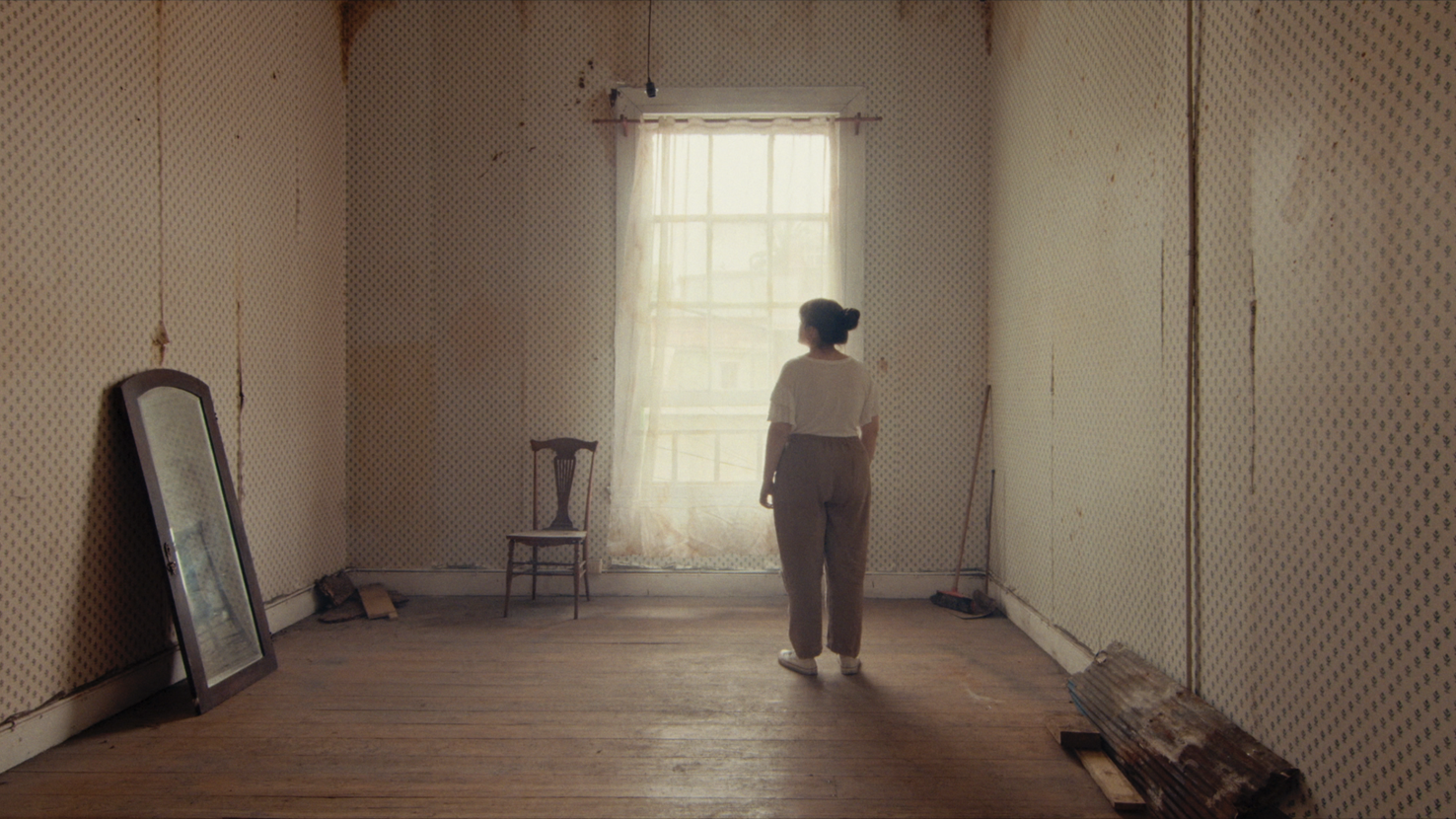
Assim, o filme segue como uma reconstrução da memória inevitavelmente fragmentada para a narradora e co-diretora. Um livro manuscrito de Sergio e Andrea reconta os momentos terríveis que passaram durante o regime militar e conduz a narrativa até a casa que o casal foi forçado a abandonar. Esse espaço se torna a grande metáfora para a narrativa, pois a neta decide morar ali e, para isso, precisa reconstruir as ruínas, físicas e sentimentais.
A montagem intimista adotada pelos diretores (que também são os montadores) aposta na sensibilização do espectador, acentuando progressivamente seu tom poético. No entanto, é justamente dessa proximidade entre objeto e criadora que surge uma armadilha que Where the Silence is Heard acaba escorregando. Ao invés de fazer o filme ser guiado mais naturalmente pelas situações, o roteiro molda o que vemos sem sutilezas.
As imagens tornam-se condicionadas ao apelo afetivo que Pena e Garcia querem alcançar. Um exemplo é quando eles sentem a necessidade de mostrar várias vezes o trabalho manual e solitário da jovem na casa antiga, mesmo sendo uma tarefa desnecessária ou redundante no contexto da cena. Perde-se a espontaneidade que conduzia a narrativa de forma muito mais interessante, principalmente na figura do avô. Torna-se fácil prever tudo que virá a seguir.
O que se anunciava como uma premissa política também perde força ao longo do documentário. Há um motivo específico que abala a história e devemos considerar, porém isso acaba sendo enquadrado na composição estética assumida. Não se trata de um abandono do tema sobre a memória e seu resgate em períodos adversos, mas sim de um desequilíbrio de roteiro.
A trajetória de Gabriela para encontrar-se consigo mesma, partindo desse processo quase arqueológico para, então, se conectar com a mãe e expurgar suas culpas, é, sem dúvidas, louvável. É inegável a importância em trazer à tona narrativas subjugadas por anos de violência e silenciamento. Por outro lado, ao tentar organizar essa experiência com um controle excessivo, o filme acaba por limitar sua própria potência. Entre o silêncio herdado e a necessidade de fazê-lo falar, Where the Silence is Heard encontra seu sentido, mas nem sempre confia no vazio que pretende fazer ouvir.
English version:
Where the Silence is Heard | 2026
A necessary reckoning
Keeping the memory of dictatorial periods alive is not merely a historical duty—it is a form of resistance against the repetition of barbarism. As the song goes, “one must always stay alert and strong”: from time to time, fascist discourses resurface and contaminate society. In this sense, cinema reasserts itself as a tool of resistance. The Secret Agent (2025), by Kleber Mendonça Filho, is the most recent proof of this, even resorting to metalinguistic strategies to reflect on the importance of documentation in times of historical erasure. Where the Silence is Heard has a similar ambition, as co-director Gabriela Pena, alongside Picho García, films her own journey into her family’s past, marked by Augusto Pinochet’s dictatorship in 1970s Chile.
Pena lived in Spain with her mother, Marlen, but has just moved to Chile, where she now lives with her grandparents, Sergio and Andrea Tapia. What led her to leave her mother in Europe was the opportunity to understand the reasons behind their distant relationship—one rooted in the scars left by authoritarian violence. Sergio, a teacher and member of the Communist Party, was persecuted and imprisoned by the police, leaving Andrea alone with their young daughter for months. Once released, they seized the first opportunity to flee the country. After the fall of the regime, the grandparents decided to return to their homeland, leaving Marlen in Barcelona, where she would raise Gabriela.
It is within this geographical and emotional displacement that Where the Silence is Heard finds its strength. The distance becomes necessary for a possible reconnection between mother and daughter. Gabriela’s affectionate bond with her grandparents contrasts with her video calls with Marlen, in which she tries to access a past that is constantly blocked, as if her mother had built a solid barrier over the years. It is the silence that seeks to be heard—a delicate exercise in empathy aimed at overcoming resentment.
Thus, the film unfolds as a reconstruction of memory, inevitably fragmented for the narrator and co-director. A handwritten book by Sergio and Andrea recounts the terrible moments they endured during the military regime and guides the narrative toward the house the couple was forced to abandon. This space becomes the film’s central metaphor: the granddaughter decides to live there and, in doing so, must rebuild both its physical ruins and its emotional remnants.
The intimate editing style adopted by the directors (who also serve as editors) seeks to move the viewer, gradually intensifying its poetic tone. However, it is precisely from this closeness between subject and creator that a pitfall emerges—one into which Where the Silence is Heard ultimately slips. Instead of allowing the film to be guided more naturally by unfolding situations, the script shapes what we see without subtlety.
The images become conditioned by the emotional appeal that Pena and García aim to achieve. One example is the repeated emphasis on the young woman’s solitary manual work in the old house, even when such moments feel unnecessary or redundant within the scene. The spontaneity that once guided the narrative—especially through the figure of the grandfather—is lost, making it easy to anticipate what comes next.
What initially presents itself as a political premise also loses strength over the course of the documentary. There is a specific event that deeply affects the story and must be taken into account; however, it ends up being absorbed into the film’s chosen aesthetic framework. This does not represent an abandonment of the theme of memory and its recovery in adverse times, but rather a narrative imbalance.
Gabriela’s journey to find herself—through an almost archaeological process of revisiting the past in order to reconnect with her mother and purge her guilt—is undoubtedly commendable. The importance of bringing to light narratives long suppressed by years of violence and silencing is undeniable. On the other hand, in attempting to organize this experience through excessive control, the film ultimately limits its own potential. Between inherited silence and the need to give it voice, Where the Silence is Heard finds its meaning—but does not always trust the very emptiness it seeks to make heard.